


That winter storm last week threw us for a loop! Especially now that it’s warming up in a big way. And unfortunately, being in the mountains, that usually means fleas.
We have products that help, absolutely. Products to kill them from egg to adult, some are natural while others are more man-made, some are ingestible and others are best suited to put on your furniture. These come in a variety of prices, and some of the more effective products are more expensive. Honestly, I’m not going to use this post to promote our products. We have a page where those are going to go, so check them out in our inventory pages. This is going to be a page where we offer less expensive solutions to help while the economy is where it’s currently at.
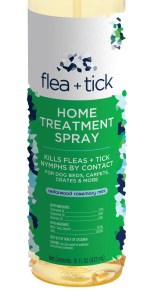
First off, there’s a lot of natural products out there that say they work better than the “chemical” stuff. Sounds too good to be true, and unfortunately, it often is. Many of these products rely on essential oils in various combinations, and while I’m a huge fan of essential oils, I still advise extreme caution when using essential oils around pets. Animals process EOs differently than humans do, and because they’re generally smaller than we are, they process them more intensely. Most that are safe for us are toxic for our furry friends.
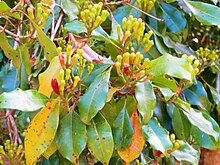
Clove is a great example to start off with. Clove oil is one of the most effective oils to use against fleas. It disrupts their ability to feed, it’s a natural insecticide, and many insects can’t stand the smell of it, so it works great as a repellant. Unfortunately, it tends to be one of the more toxic EOs for pets. In both cats and dogs, even a small amount can cause liver damage, kidney damage, neurological symptoms, and a few others that don’t apply to both. It doesn’t matter if it’s used on their skin, if they accidentally lick it, or if they smell it. Yikes! That’s not great.
The other part that sucks is other oils have pretty much the same story. Tea Tree oil? Fleas don’t like the strong smell, makes cats and dogs lethargic, causes poor muscle control, makes them susceptible to hypothermia, and more. Peppermint oil? Toxic to fleas and leaves your house smelling super fresh, causes upset stomach and lung issues in pets. Eucalyptus oil? Keeps fleas away and disrupts their development, causes upset stomach and neurological problems in dogs, and much worse problems for cats.
So what do we do? How do we treat the fleas for less without harming our pets?
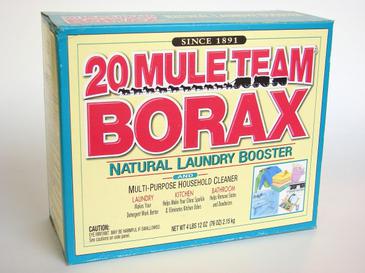
Item 1: Borax! Available at most grocery stores, just $6.99 for a 65oz box at our local Vons, and a great carpet/upholstery treatment for fleas while being much less harmful for pets. It’s important to note that this shouldn’t go on your pets, just on the carpet or furniture, and while it will kill adults and larvae, it won’t work on the eggs. The way is works is by dehydrating the little pests, and creating tiny scratches in their exoskeleton, making it even more effective.
Sprinkle the borax where the infestation lives, brush or sweep it into all of the little cracks. Then let it sit for 24-48 hours. Vacuum, then do it all over again after 1 week, and then once more the next week. The reason for the retreatments is to give any eggs the time to hatch(since borax won’t kill the eggs) and those will hatch anywhere from 2-14 days.
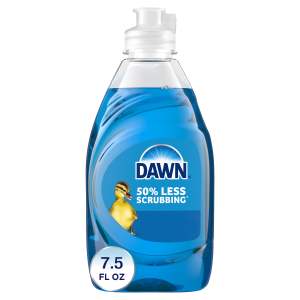
Next up: Dawn Dish Soap. I mean, any gentle dish soap really. It works because soap changes water tension, and causes the fleas to drown because they can’t skitter across the surface of the water anymore. It’s a cost effective short-term solution that will help control the fleas present on your pet. I’ve personally used this with my cats at home, and as mad as I thought they would be at me for putting them in a sink full of water, they were even more cuddly with me just a few hours later.
A couple of important notes. I mentioned this is a short-term solution. Using gentle dish soap should be done sparingly, in between the time it takes to get something long-lasting. Using it too often can give your pet dry skin, and it won’t work to get rid of any pupae. Sure, it can dislodge the pupae from the pet’s skin and allow them to go down the drain, but most of the time, it won’t kill that life stage. Dish soap also won’t prevent fleas, so it’s important to also be treating any infestation in the house so they don’t jump back on your pet.

Another contender: Apple Cider Vinegar! This can work as an additive to other methods, as well as working as a repellant. Mixing 1 part ACV with 1 part water makes an easy spray to keep fleas away. Adding ACV to your pet’s Dawn bath will help repel fleas after the bath is done. Spray the borax treated parts of your house(after you vacuum) to keep the fleas away.
Some people recommend giving your pets ACV in their water, but many vets advise against doing this. It can cause upset stomach, vomiting, diarrhea. There’s also the possibility that your pet may absolutely hate the taste, which will lead them to avoiding their water dish, and causing dehydration.
To sum up, it’s probably best to avoid using essential oils in your home and some of the oldest products are best.
 Beloved Pets & Feed
Leave a comment